


Why am I displaying two similar brooches? Unusually for me I bought these two brooches within days of each other. The one on the left I bought at auction in Yorkshire, UK and the one on the right from a dealer online based in Westchester New York, USA. And only this year I saw another on the same theme at an auction in Kent. Both brooches are from the Victorian era (1837 to 1901). They are cameos carved into shell and set in gold. The left one (from the UK) is probably English and the right one (from the USA) is probably Italian. Shell cameo brooches were popular during the Victorian period, and I have a few in my collection. In May 2016 I showcased the first cameo I ever bought, which I call my ‘lucky brooch’. So, why did these two cameos catch my eye? They are known as ‘Night and Day’ images, depicting Aurora the Roman goddess of the dawn and Nyx the Greek goddess of the night. Representations of night and day illustrate the passing of time. Both brooches have owls and a crescent moon representing night. On the one on the right the owl is representing Nyx and he sits on a poppy seed head, seen as an aid to sleep.
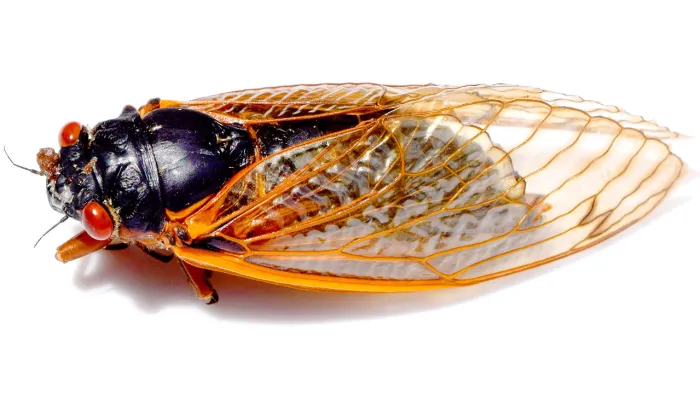
In Roman mythology, Aurora renews herself every morning and flies across the sky, announcing the arrival of the Sun. One Greek myth told by Roman poets is that Aurora fell in love with Tithonus who was a mortal. Aurora did not want her lover to age and die so she asked Jupiter, the king of the Roman gods to make him immortal. Jupiter granted her wish, but she had failed to ask for eternal youth to accompany his immortality. Tithonus grew old, eventually becoming forever an old man. Aurora turned him into a cicada. Cicadas are large insects, whose males have conspicuously loud courtship calls, poor old Tithonus.
The Greek goddess Nyx is the personification of the night, the offspring of Chaos and the mother of a brood of children whose personification was not positive. Among her children were Moros (Doom), Ker (Destruction), Thanatos (Death), Hypnos (Sleep), Momus (Blame), Oizys (Pain and Distress), Apate (Deceit), Geras (Old Age) and Eris (Strife). Homer, who wrote to Iliad and the Odyssey comments that even Zeus, king of the Greek gods feared to displease her.
So if you see me wearing one of these brooches – be warned!